Understanding Smart Locks: The Future of Home Security
As the world becomes increasingly reliant on technology, security systems must evolve to keep pace with modern threats and lifestyle demands. Smart locks represent a significant advancement in home security, integrating traditional locking mechanisms with cutting-edge technology to enhance safety and convenience. For those considering a smart lock, exploring the wide range of options available today is essential. When exploring options, خرید قفل هوشمند can provide comprehensive insights into the latest features and benefits.
What is a Smart Lock?
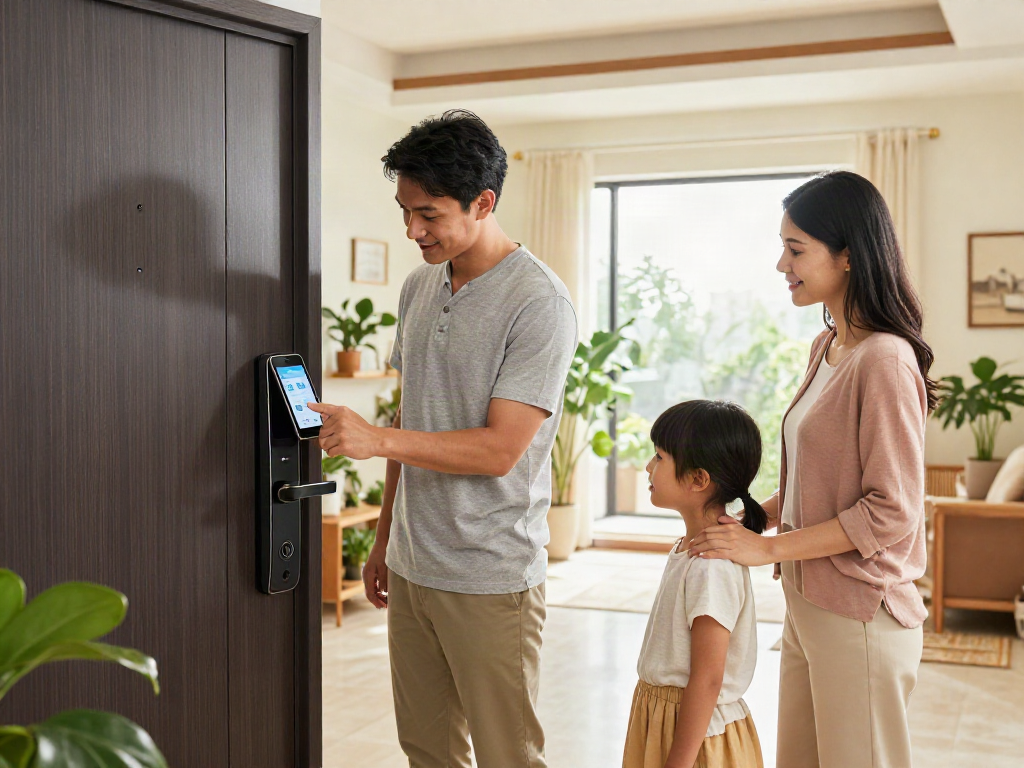
A smart lock is an electronic locking device that allows users to secure and manage access to their homes via smartphones, smartwatches, or access codes. Unlike traditional locks that rely solely on physical keys, smart locks often come with various technological enhancements, including Wi-Fi or Bluetooth connectivity, fingerprint recognition, and mobile app integration. This modern locking solution represents a shift towards smarter home technology, enabling homeowners to control access more efficiently and securely.
How Smart Locks Enhance Security
Smart locks enhance security in several ways. Firstly, they eliminate the need for physical keys, reducing the risk of lost or stolen keys. Secondly, many smart locks provide remote access control, allowing homeowners to lock or unlock their doors from anywhere in the world using their smartphones. This feature is especially beneficial for granting temporary access to guests, service providers, or family members without needing to be physically present. Additionally, smart locks often come equipped with built-in alarms and notifications that alert homeowners to unauthorized access attempts.
Technological Innovations in Smart Locks
Recent technological advancements in smart locks have introduced a variety of innovative features. Many models now incorporate biometric technology, such as fingerprint or facial recognition, providing additional layers of security. Some smart locks use geofencing technology, which can automatically lock or unlock the door as the user approaches or departs from home. Other advances include the integration of artificial intelligence, enabling smart locks to learn user habits and optimize security protocols accordingly.
Factors to Consider When خرید قفل هوشمند
Key Features to Look for in a Smart Lock
When purchasing a smart lock, there are several key features to consider. Firstly, look for compatibility with your smartphone or operating system, as this will determine how easily you can control the lock. Additionally, consider the lock’s power source; some models rely on batteries, while others may have a hardwired connection. Security features such as two-factor authentication and encryption should also be a priority. Finally, assess the lock's design and ease of installation, as some models may require professional installation while others are DIY-friendly.
Pricing Trends for Smart Locks in 2026
The market for smart locks is rapidly evolving, with prices reflecting the increase in technological capabilities and user demand. In 2026, prices are expected to range significantly based on the features offered. Basic models may start around $100, while high-end smart locks with advanced functionalities can exceed $300. As new brands enter the market and technology continues to advance, competitive pricing is anticipated to benefit consumers.
Compatibility with Home Automation Systems
Integrating a smart lock into an existing home automation system can greatly enhance its functionality. Many smart locks are compatible with popular systems like Amazon Alexa, Google Assistant, and Apple HomeKit, allowing users to control various aspects of their home security seamlessly. When selecting a smart lock, check for compatibility to ensure that you can take full advantage of features such as voice control and automation routines.
Challenges and Solutions in Smart Lock Implementation
Common Misconceptions About Smart Locks
Despite their growing popularity, several misconceptions surround smart locks. One common myth is that smart locks are easily hackable and therefore not secure. In reality, reputable smart locks employ robust encryption and security measures that significantly mitigate these risks. Another misconception is that smart locks are overly complicated to use. Most models are designed with user-friendliness in mind, featuring intuitive apps and installation processes.
Security Risks and How to Mitigate Them
While smart locks offer enhanced security features, they are not entirely without risk. Cybersecurity threats can target smart home devices, including locks. To mitigate these risks, users should regularly update their devices and use strong, unique passwords. Enabling two-factor authentication can provide an additional layer of security. Familiarizing oneself with potential vulnerabilities and taking proactive steps to secure devices will help maintain the integrity of smart locks.
Installation Challenges and Best Practices
Installing a smart lock can pose challenges, especially for those unfamiliar with home improvement tasks. It's crucial to follow the manufacturer's instructions carefully and ensure that the smart lock is compatible with your existing door hardware. If DIY installation seems daunting, consider hiring a professional to ensure proper setup and functionality. Regular maintenance checks on the locking mechanism are also advisable to ensure long-term reliability.
Real-World Applications and Case Studies
Smart Lock Success Stories
Numerous success stories showcase how smart locks have transformed home security for individuals and families. For instance, a family residing in a busy urban area reported that the installation of a smart lock significantly reduced their anxiety about home security. The ability to monitor and control access remotely provided peace of mind, especially when they were away on vacation. In another example, a rental property owner utilized smart locks to streamline guest check-ins, eliminating the need for physical key exchange while enhancing security.
Comparative Analysis: Smart Locks vs. Traditional Locks
When comparing smart locks to traditional locks, several key differences emerge. Smart locks offer remote access, keyless entry, and real-time notifications, while traditional locks rely on physical keys and manual locking mechanisms. The convenience of accessing one's home from a smartphone is a notable advantage of smart locks, whereas traditional locks may offer simplicity and reliability in certain situations. Ultimately, the choice between the two largely depends on individual preferences and lifestyle needs.
User Experiences and Testimonials
User experiences with smart locks often highlight the benefits of enhanced security and convenience. Many users appreciate the ability to create temporary access codes for visitors and service personnel, which can be easily revoked after use. However, some users have expressed concerns about connectivity issues in low-signal areas. Despite this, most find that the advantages of smart locks far outweigh the potential drawbacks, particularly regarding peace of mind and ease of use.
The Future of Smart Locks and Home Security Trends
Predicted Innovations in Smart Lock Technology
The future of smart locks looks promising, with several anticipated innovations expected to enhance functionality and security. Future models may include advanced AI capabilities, enabling them to learn user patterns and automatically adjust security settings based on behavior. Furthermore, the integration of augmented reality could allow users to view their surroundings and receive security alerts through smart glasses or devices.
Integration with Smart Home Devices
As the smart home ecosystem continues to expand, the integration of smart locks with other devices will become increasingly seamless. Future locks may communicate with security cameras, motion sensors, and environmental controls to create a comprehensive security solution. Enhanced interoperability will allow users to manage their entire home security setup from a single app, further simplifying home management.
Regulatory Trends Affecting Smart Lock Usage
As smart locks become more prevalent, regulatory measures governing their use are also evolving. In 2026, expect to see increased standards for cybersecurity within smart lock products to protect consumer data and privacy. Additionally, regulations addressing installation practices and compatibility with existing building codes will likely emerge, ensuring that smart locks meet safety and efficiency standards.
What are the best smart locks on the market?
The best smart locks on the market vary based on user preferences and security needs. Popular options include the August Smart Lock Pro, which offers compatibility with various smart home systems and voice control, and the Schlage Encode, known for its built-in Wi-Fi capability. Both models provide exceptional security features while catering to different user needs.
How do smart locks work without internet access?
Smart locks can operate without internet access using local connectivity options like Bluetooth. Many models allow users to unlock their doors via a smartphone app when within proximity. This feature ensures that users can still access their homes even in areas with poor Wi-Fi connectivity.
Can smart locks be hacked?
While no device is entirely immune to hacking, most modern smart locks incorporate robust security measures to minimize these risks. Using encryption, two-factor authentication, and regular software updates significantly enhance the security of smart locks, making them less susceptible to unauthorized access.
What are the benefits of smart locks over traditional locks?
The benefits of smart locks over traditional locks include enhanced convenience, remote access capabilities, and added security features like alerts and monitoring. Smart locks enable homeowners to manage access without physical keys, making them an attractive choice for modern living.
How to maintain and troubleshoot your smart lock?
Maintaining a smart lock involves periodically checking the battery, updating the firmware, and ensuring that the locking mechanism is functioning properly. If issues arise, consult the manufacturer's troubleshooting guidelines, which often provide step-by-step solutions for common problems.