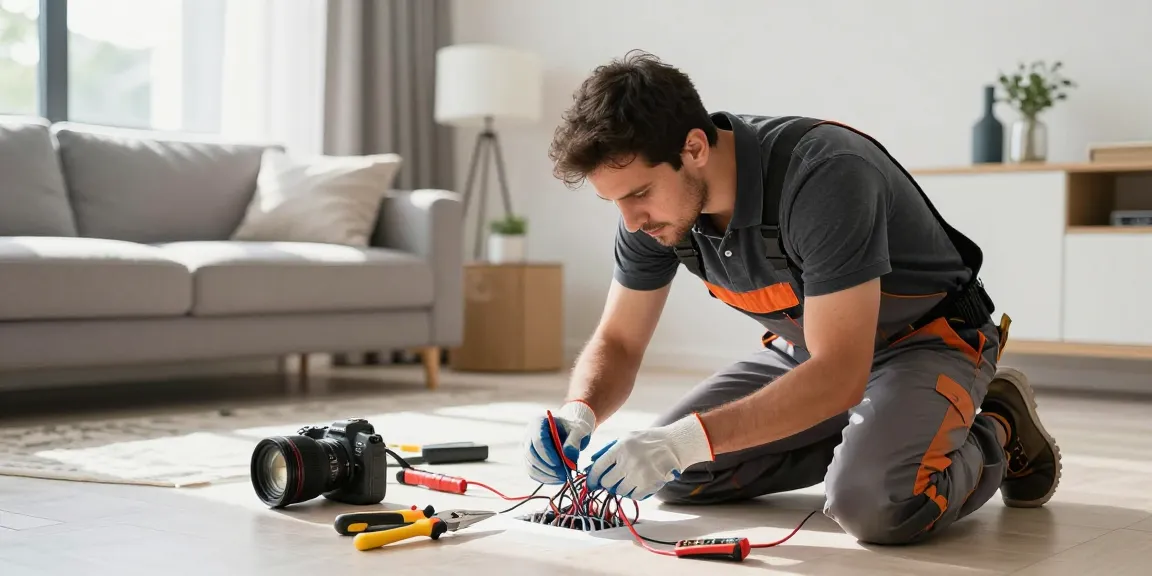
Understanding the Role of Domestic Electricians in Home Safety
In today's increasingly complex homes, ensuring electrical safety is paramount. Domestic electricians serve as the linchpins of this safety by delivering a wide range of services that not only enhance the operational efficiency of electrical systems but also safeguard the well-being of residents. When exploring options, see more details on the essential functions that domestic electricians fulfill.
What Does a Domestic Electrician Do?
A domestic electrician is a trained professional who specializes in the installation, maintenance, and repair of electrical systems in residential settings. Their responsibilities can range from simple tasks like replacing light fixtures to complex undertakings such as rewiring an entire home. Key duties include:
- Installing and maintaining lighting systems
- Upgrading electrical panels to accommodate modern appliances
- Conducting safety inspections and troubleshooting electrical issues
- Implementing energy-efficient solutions
Additionally, domestic electricians stay updated on the latest technologies and practices, ensuring that homes comply with safety standards and regulations.
Importance of Electrical Safety in Modern Homes
Electrical safety is vital in preventing hazards such as fires, electrocutions, and equipment damage. With modern homes now featuring smart technology and higher power demands, the risk associated with improper installations or outdated systems becomes pronounced. According to the National Fire Protection Association (NFPA), electrical failures are one of the leading causes of home fires. Therefore, ensuring safe electrical systems is not just a regulatory requirement but a necessity for homeowners.
Common Risks and Hazards in Electrical Installations
Several common risks are associated with electrical installations in homes, including:
- Overloaded circuits that can lead to electrical fires
- Improper grounding that increases the risk of electrical shock
- Exposed wiring that poses a serious safety hazard
- Inadequate circuit breakers that fail to prevent overloads
By understanding these risks, homeowners can take proactive measures to mitigate them, primarily through the expertise of a qualified domestic electrician.
Key Electrical Systems in Your Home
Understanding Circuit Breakers and Their Importance
Circuit breakers are a fundamental component of any electrical system, designed to protect electrical circuits from damage due to overload or short circuits. They interrupt the flow of electricity when faults are detected, thus preventing potential fires and equipment damage. Regular inspections and timely upgrades of circuit breakers are essential to maintain safety and efficiency in electrical systems.
Wiring Configurations: Types and Best Practices
Wiring configurations significantly affect the performance and safety of electrical systems. There are three primary types of wiring: parallel, series, and branch circuit wiring. Each type has its unique applications and best practices:
- Parallel Wiring: Commonly used in home circuits, allowing multiple devices to operate independently.
- Series Wiring: Used in specific applications, but can reduce reliability as failure in one component can disrupt the entire circuit.
- Branch Circuit Wiring: Essential for distributing electricity to various parts of the home safely.
Employing the right configurations is crucial for creating a safe, efficient electrical system.
Smart Home Technology Integration for Safety
The rise of smart home technology has revolutionized home safety features. Smart devices can monitor energy usage, detect electrical faults, and provide alerts for potential hazards. Integrating these technologies into a home’s electrical system not only enhances convenience but also significantly boosts safety levels.
Safety Standards and Regulations for Electrical Work
Overview of Electrical Codes and Compliance
Electrical work is highly regulated to ensure safety and compliance with national standards. The National Electrical Code (NEC) provides guidelines that govern electrical installations and modifications. Adhering to these codes is fundamental, as non-compliance can result in serious safety risks and legal issues.
The Importance of Permits and Inspections
Obtaining necessary permits before starting electrical work is crucial. These permits ensure that the work complies with local codes and standards. Following installation, inspections by certified professionals help confirm the work is done correctly and safely, preventing future hazards.
Common Misconceptions About DIY Electrical Work
Many homeowners attempt DIY electrical repairs, often believing it to be cost-effective. However, this can lead to dangerous situations. Common misconceptions include the belief that basic knowledge is sufficient for complex jobs or that minor tasks do not require a professional. Hiring a qualified domestic electrician is essential for ensuring safety and compliance.
Choosing the Right Domestic Electrician
What to Look for When Hiring a Professional
Selecting the right domestic electrician is critical for the safety and functionality of your home's electrical system. Look for electricians who are licensed, insured, and have a solid reputation in the community. Experience with similar projects is also a strong positive indicator.
Questions to Ask Potential Electricians
When interviewing potential electricians, consider asking the following questions:
- What licenses and certifications do you hold?
- Can you provide references from previous clients?
- What is your approach to safety and compliance?
- How do you determine project costs?
Such inquiries will help you gauge their expertise and reliability.
Cost Considerations and Value of Professional Services
While hiring professional electricians may seem costly, the value of their expertise far outweighs the potential risks of DIY work. Consider the long-term benefits of ensuring safety and compliance, as mistakes can lead to costly repairs or hazardous conditions.
Future Trends in Home Electrical Safety
Emerging Technologies for Enhanced Electrical Safety
As technology advances, new solutions for enhancing electrical safety are emerging. Innovations such as advanced surge protectors, smart circuit breakers, and home energy management systems provide homeowners with enhanced tools to monitor and manage their electrical systems.
Green Energy Solutions and Their Impacts
The demand for green energy solutions is rising, with solar panels and energy-efficient appliances becoming mainstream. These solutions not only contribute to sustainability but also require specialized electrical installations, emphasizing the need for skilled electricians in this evolving landscape.
Predictions for the Domestic Electrical Industry in 2026
Looking forward to 2026, the domestic electrical industry is likely to see significant transformations. Factors such as increased regulatory focus on energy efficiency, advancements in smart technologies, and a growing emphasis on sustainable practices will influence the industry's trajectory. Electricians will need to adapt to these changes through continued education and training.
What are the benefits of hiring a domestic electrician?
Hiring a domestic electrician ensures that electrical work is performed safely and in compliance with regulations. Professionals bring expertise, experience, and the necessary tools to handle complex tasks effectively.
How can I ensure my home’s electrical systems are safe?
Regular inspections by a qualified electrician, adherence to safety protocols, and prompt attention to any electrical issues can help maintain the safety of your home's electrical systems.
What should I do if I experience electrical issues at home?
If you encounter electrical issues, such as flickering lights or tripped breakers, contact a licensed domestic electrician immediately. Avoid attempting to diagnose or fix problems yourself.
Are DIY electrical repairs safe?
While some minor repairs may seem manageable, most electrical work should be left to professionals. DIY efforts can lead to serious safety risks if not executed correctly.
What qualifications should I look for in an electrician?
Seek electricians who are licensed, insured, and have relevant experience. Certifications from recognized institutions or organizations can also indicate a commitment to professionalism and safety.