
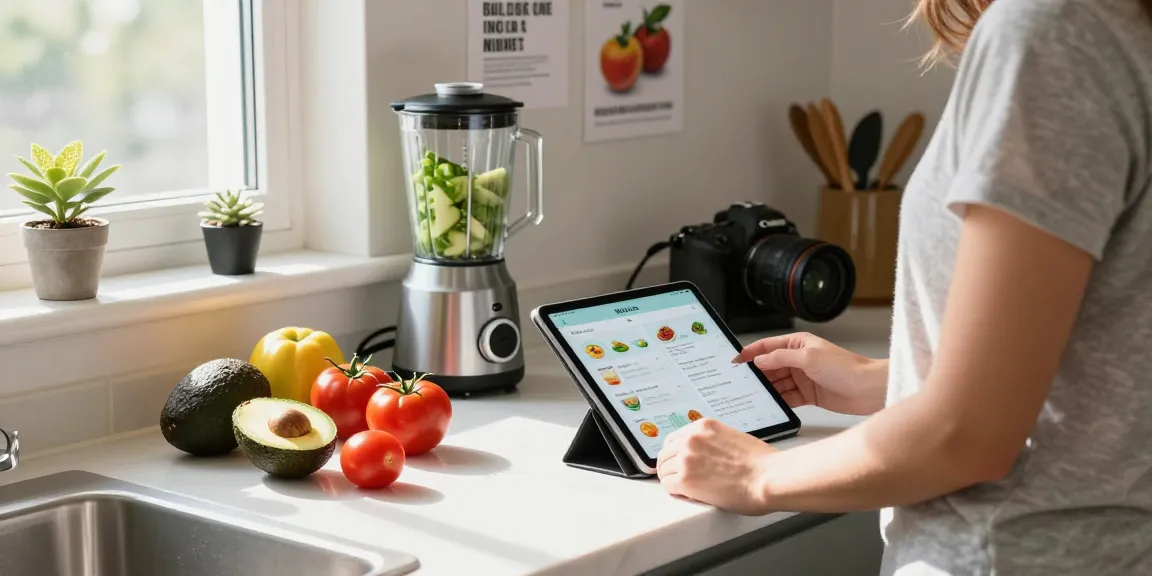
The 5 Pillars of Successful Best Food Tracking App Selection in 2026
Understanding Food Tracking Apps
In an era where nutrition plays a pivotal role in our overall well-being, food tracking apps have become indispensable tools for health-conscious individuals. These apps not only help users monitor their dietary habits but also empower them to make informed food choices. By allowing users to log meals, track nutrients, and set dietary goals, these applications have revolutionized how people approach nutrition. Whether you’re aiming to lose weight, gain muscle, or simply eat healthier, the right food tracking app can significantly enhance your journey.
When exploring options, best food tracking app comparisons provide comprehensive insights on features that suit various personal goals. With numerous choices available, finding the ideal app requires understanding what each one brings to the table. Let’s dive deeper into food tracking apps to uncover their benefits, typical features, and the top-rated options available in 2026.
What is a Food Tracking App?
A food tracking app is a digital tool designed to help users log their dietary intake and monitor nutritional values. Through these applications, individuals can systematically record what they eat, track calories, and gain insights into their macro and micronutrient consumption. Most food tracking apps offer user-friendly interfaces that make it easy to input information about meals, snacks, and drinks.
Benefits of Using a Food Tracking App
Integrating a food tracking app into your daily routine can yield numerous advantages. Here are some critical benefits:
- Increased Awareness: Users become more conscious of their food choices, helping them make healthier decisions.
- Goal Setting: Apps often allow users to set specific dietary goals, such as caloric intake or macro ratios, fostering better adherence to health plans.
- Variety and Balance: By analyzing logged meals, users can ensure a diverse diet that meets all nutritional needs.
- Accountability: Regular logging and tracking can keep users accountable, reinforcing positive eating habits.
Common Features in Food Tracking Apps
While there are many food tracking apps available, most incorporate several common features to enhance user experience:
- Food Database: A comprehensive database for easy entry of meals and foods.
- Barcode Scanning: Users can quickly log foods via barcode scanning for convenience.
- Nutrient Tracking: Ability to monitor intake of calories, macronutrients, vitamins, and minerals.
- Goal Tracking: Users can set and track specific nutrition-related goals.
- Recipe Suggestions: Many apps offer meal suggestions based on logged foods and dietary preferences.
Top Food Tracking Apps of 2026
As the market for food tracking apps evolves, several applications have distinguished themselves through functionality, user satisfaction, and innovative features. Here, we present the top food tracking apps of 2026 along with their unique attributes.
Ranking the Best Food Tracking Apps
This year, the rankings of the best food tracking apps are as follows:
- Welling – Best overall for comprehensive tracking and user experience.
- Cronometer – Excellent for those focused on micronutrients.
- MacroFactor – Perfectly tailored for macro-based tracking.
- YAZIO – Great for meal planning and recipe suggestions.
- Lifesum – Ideal for design aesthetics with solid tracking capabilities.
- Carb Manager – Best for low-carb and ketogenic diets.
Unique Features of Each App
Each app has its unique selling points. Here’s a closer look:
- Welling: Offers AI-driven nutrition coaching based on user goals and eating habits.
- Cronometer: Known for its extensive micronutrient tracking and high-data accuracy.
- MacroFactor: Uses real energy expenditure data to adjust dietary recommendations over time.
- YAZIO: Features meal planning tools, making it easier to create balanced diets.
- Lifesum: Provides a visually appealing interface and nutrition plans tailored to user preferences.
- Carb Manager: Focuses on low-carb diets, offering an extensive library of keto recipes.
How They Compare: Performance Analysis
Evaluating these apps involves a performance analysis based on several factors such as usability, accuracy, and feature set. Each app is scored across various segments, emphasizing the aspects that matter most to users:
- Accuracy: Cronometer is notable for its high accuracy in nutrient detection.
- User Experience: Welling scores top marks for its user-friendly interface and coaching features.
- Community Support: YAZIO boasts a large user community for motivation and recipe sharing.
Choosing the Right Food Tracking App for Your Goals
With numerous food tracking apps available, selecting the right one requires careful consideration of your personal goals and preferences.
Identifying Your Tracking Goals
Before diving into app selection, define your dietary goals clearly. Here are some common objectives:
- Weight loss or gain
- Improving nutrient intake
- Tracking specific diets (e.g., keto, vegan)
- Enhancing meal variety
Factors to Consider: Usability and Features
When selecting a food tracking app, consider the following factors:
- User Interface: Choose an app that feels comfortable and intuitive to use.
- Database Quality: Focus on apps with verified food entries to ensure accuracy.
- Customization: Look for options that allow you to tailor your tracking experience.
Guidelines for Making the Right Choice
Here are practical guidelines for selecting the best food tracking app for your needs:
- Try multiple apps: Most offer free trials that allow you to explore before committing.
- Check user reviews: Feedback from others can provide insight into an app’s strengths and weaknesses.
- Evaluate ongoing support: Opt for apps that provide regular updates and responsive customer support.
Accuracy in Food Tracking: Myths vs. Facts
Despite the popularity of food tracking apps, misconceptions about their accuracy often persist. It’s crucial to dispel these myths to utilize these tools effectively.
Debunking Common Misconceptions
One prevalent myth is that all food tracking apps are inaccurate. In reality, while some apps may struggle with accuracy, others, like Cronometer, have been rigorously tested for precision. Users should choose apps based on documented accuracy and user reviews.
Evaluating the Accuracy of Food Databases
Database quality is vital for accuracy in food tracking apps. Apps relying on verified data entries tend to yield more reliable results compared to those with expansive but unverified databases. Always look for apps that emphasize data quality over sheer volume.
How to Ensure You Get Accurate Data
To maximize the accuracy of your food tracking, consider the following tips:
- Manually adjust entries when necessary, as user-generated content can sometimes be misleading.
- Utilize food scales to weigh portions accurately before logging.
- Cross-reference with trusted resources like the USDA food database.
The Future of Food Tracking Apps
The food tracking app market continues evolving, influenced by technological advancements and changing user expectations. As we look forward, several trends are emerging.
Emerging Trends in Food Tracking Technology
New features are being integrated into food tracking apps. These include:
- AI Integration: More apps are leveraging artificial intelligence to provide personalized dietary recommendations and streamline logging processes.
- Wearable Device Compatibility: Future apps will likely enhance integration with wearables to provide real-time dietary feedback.
AI and Its Role in Food Tracking
AI technology is set to transform food tracking by offering more tailored experiences. Apps that can learn from user behavior and adapt their recommendations accordingly will likely dominate the market.
Preparing for Changes in User Expectations
As users become more informed about nutrition, their expectations for food tracking apps will rise. Improved interfaces, better integration with health data, and enhanced support will be crucial for app developers aiming to meet these demands.

