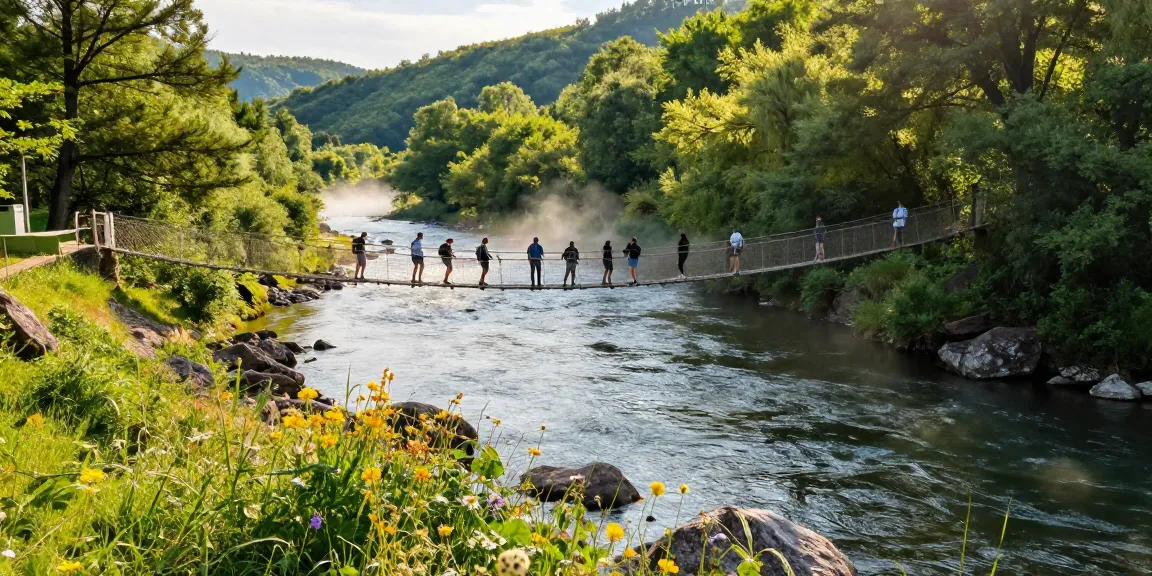
Understanding the River Rope Bridge Concept
A River Rope Bridge is a fascinating structure that serves as a functional yet aesthetic means of crossing rivers, providing access to remote areas while enhancing the natural beauty of the environment. These bridges are often constructed using a combination of ropes, cables, and wooden planks, creating a suspended pathway that can span challenging terrains. In recent years, interest has surged in river rope bridges as both recreational and practical solutions for hiking trails and outdoor adventures. When exploring options, River Rope Bridge designs can offer comprehensive insights into creating a safe and enjoyable crossing experience.
What is a River Rope Bridge?
A river rope bridge is a type of suspension bridge primarily made from rope and wood, designed to facilitate the crossing of rivers and other obstacles. These bridges are often found in rural and mountainous areas, where traditional bridge construction may not be feasible or economical. With their lightweight and flexible nature, rope bridges can adapt to various environmental conditions and are often celebrated for their minimal impact on the surrounding landscape.
History and Evolution of Rope Bridges
The history of rope bridges dates back centuries, with some of the earliest examples found in the Incan civilization. The famous Qeswachaka bridge in Peru, made from grass, has been maintained for over 500 years, showcasing the durability and effectiveness of this construction method. Over time, materials and construction techniques have evolved, yet the fundamental concept of using cables or ropes to create a suspended pathway remains unchanged. Today, modern rope bridges incorporate innovative engineering to improve safety and design aesthetics while retaining their rustic charm.
Key Benefits of Using River Rope Bridges
- Cost-Effectiveness: Rope bridges are often cheaper to build than conventional bridges, making them an attractive option for less affluent areas or temporary installations.
- Environmental Impact: They leave a smaller ecological footprint, typically requiring less ground preparation and allowing for natural water flow beneath.
- Accessibility: These bridges offer access to trails and natural attractions that might otherwise be unreachable, enhancing local tourism and outdoor activities.
- Aesthetic Appeal: Their unique designs can blend seamlessly with the landscape, enhancing the visual experience of river crossings.
Designing Your River Rope Bridge
Designing a river rope bridge involves careful consideration of numerous factors to ensure safety, durability, and functionality. From selecting the proper materials to balancing aesthetic appeal with structural integrity, the design process is crucial for successful construction. Integrating safety features and considering environmental impacts are vital components of a comprehensive design. Here, we explore essential design considerations.
Essential Design Considerations for Safety
Safety is paramount in the design of river rope bridges. Key considerations include load capacity, tension distribution, and anchoring systems. Bridges must be engineered to support the weight of multiple users while withstanding environmental stresses such as wind, rain, and occasional flooding. Regular maintenance checks and the use of high-quality materials can significantly enhance safety over time.
Materials Used in River Rope Bridge Construction
Common materials for constructing river rope bridges typically include synthetic ropes, steel cables, and treated wood. Synthetic ropes are preferred for their strength, durability, and resistance to weathering, while steel cables provide additional support and security. Treated wood, chosen for its resilience against rot and decay, serves as the deck and handrails. Selecting the appropriate materials is essential for ensuring the longevity and safety of the bridge.
Design Trends for 2026 and Beyond
The future of river rope bridge design is likely to be influenced by advancements in technology and an increasing focus on sustainability. Innovations such as the use of eco-friendly materials or automated monitoring systems will enhance both functionality and environmental preservation. Designers may also incorporate aesthetic elements that reflect local culture and natural beauty, creating structures that are not only practical but also visually appealing.
Building a River Rope Bridge: Step-by-Step Guide
Constructing a river rope bridge requires meticulous planning and execution. This section distils the process into manageable steps, ensuring that both novice builders and experienced craftsmen can follow along with confidence. From the initial planning stages to the final touches, this guide will walk you through each crucial phase of the building process.
Planning Your Project Timeline and Budget
Before breaking ground, it's essential to develop a comprehensive project timeline that outlines each phase of construction. Estimating costs accurately will help keep the project within budget and determine the scope of materials and labour required. Including contingencies for unexpected expenses is also advisable.
Obtaining Necessary Permits and Regulations
Prior to construction, it is crucial to research local regulations and obtain any necessary permits. This process may include environmental assessments, safety inspections, and adherence to local building codes. Engaging with local authorities early in the planning phase can streamline this process and ensure compliance.
Execution: From Groundwork to Finishing Touches
The actual construction of the bridge involves several phases, including site preparation, assembly of the supporting structures, and installation of the deck and safety features. Ensuring that each stage is performed with precision and safety in mind is vital for the overall integrity of the bridge. Once complete, final inspections will confirm that the bridge meets all safety standards.
Maintenance and Safety of River Rope Bridges
Ongoing maintenance is essential for ensuring the longevity and safety of a river rope bridge. Regular inspections allow for the early detection of potential issues, enabling preventative measures to mitigate risks. This section outlines key maintenance practices and safety concerns that should be addressed.
Regular Inspection and Maintenance Practices
Routine checks should focus on the integrity of ropes, cables, and wooden components. Look for signs of wear, rot, or corrosion and address these promptly. It is advisable to create a maintenance log to track inspections and repairs, ensuring that all necessary actions are taken at appropriate intervals.
Addressing Common Safety Concerns
Common safety concerns include user traffic management, particularly in busy areas, and the risks associated with high winds or flooding. Installing warning signs and implementing user guidelines can help mitigate these risks. Additionally, ensuring that the bridge can accommodate the number of users expected is critical for preventing accidents.
Upgrading Features for Enhanced Safety in 2026
With an eye towards the future, enhancing safety features such as improved lighting, non-slip surfaces, and reinforced handrails can significantly improve the user experience. Integrating smart technology, such as real-time monitoring systems, can also provide alerts for potential hazards, ensuring a higher level of safety for all users.
Future Trends in River Rope Bridges
The construction of river rope bridges is evolving, influenced by technological advancements and an increased emphasis on sustainability and user experience. Understanding these future trends can help builders and designers create bridges that not only meet current demands but also anticipate future needs.
Innovative Materials and Technologies
Future designs may incorporate innovative materials such as graphene-infused ropes or lightweight composites that offer superior strength and durability while reducing environmental impact. Additionally, technologies such as drone surveying and virtual reality design modelling will likely play a role in the planning and construction process, enhancing precision and efficiency.
Environmental Considerations and Sustainability
As awareness of environmental impacts continues to grow, sustainable practices will increasingly feature in the construction of river rope bridges. This may include utilising recycled materials, implementing eco-friendly building practices, and prioritising designs that integrate seamlessly with natural landscapes.
Expectations for River Rope Bridges in 2026
By 2026, river rope bridges are expected to become more prominent in recreational areas and as part of eco-tourism initiatives. The emphasis on accessibility and minimal environmental disruption will drive design and construction methods, resulting in increasingly innovative and sustainable solutions.
What is the cost of building a River Rope Bridge?
The cost of building a river rope bridge varies significantly based on factors such as location, size, materials, and design complexity. On average, a small rope bridge may cost anywhere from £3,000 to £10,000, while larger or more intricate designs can exceed £20,000. Detailed budgeting should account for all aspects of the project, including permits and labour.
Where are notable River Rope Bridges located?
Several iconic river rope bridges can be found worldwide, famously including the Carrick-a-Rede Bridge in Northern Ireland and the Qeswachaka Bridge in Peru. These bridges not only serve functional purposes but have also become significant tourist attractions, highlighting the potential for enjoyment and exploration.
How do I maintain my River Rope Bridge?
Maintaining a river rope bridge involves regular inspections, timely repairs, and adherence to safety guidelines. Consistent monitoring of weather conditions and user traffic patterns can help in making informed decisions about maintenance needs. Engaging with professionals for periodic evaluations can also ensure the structure remains safe and functional for years to come.