Understanding the Celebrity Look Alike Phenomenon
The allure of discovering a celebrity look alike is one that resonates with people across cultures and generations. From playful social media challenges to sophisticated artificial intelligence applications, the quest to identify someone who resembles a famous figure has grown exponentially. But what drives this fascination? Is it mere curiosity, or is there something deeper at play? In this article, we will delve into the intricacies of the celebrity look alike phenomenon, exploring its psychological foundations, historical significance, and the modern technologies that facilitate these comparisons.
What is a Celebrity Look Alike?
A celebrity look alike is someone who bears a strong physical resemblance to a well-known public figure, typically an actor, singer, or other types of famous individuals. This resemblance can manifest in various features such as facial structure, eye color, hair type, and even mannerisms. The concept of look alikes has been popularized through media and social networks, allowing individuals to share their findings and foster community engagement around this engaging topic.
The Psychology Behind Identifying Look Alikes
Psychologists suggest that the human brain is wired to recognize and categorize faces almost instinctively. This recognition is not just about visual similarity; it can evoke emotions and trigger nostalgic memories associated with the celebrity. The psychology of identifying look alikes can include concepts like pareidolia, where the mind perceives familiar patterns, in this case, a familiar face in a stranger. Additionally, social identity theory explains how we often define ourselves in relation to groups; finding a celebrity look alike enables a sense of belonging or connection, as individuals can whimsically align themselves with celebrities they admire.
Historical Context and its Evolution
The fascination with look-alikes is not a modern phenomenon; it has historical roots dating back centuries. Throughout history, individuals have compared themselves to others of higher social status, whether in terms of beauty, wealth, or fame. In the past, this comparison was often limited to the populace's artistic representations or mere gossip. However, advancements in technology, especially with the advent of photography and later, digital imagery, have propelled this phenomenon into the mainstream. The rise of social media platforms has further democratized this activity, allowing anyone with internet access to share their celebrity comparisons with a global audience.
The Technology Driving Celebrity Look Alike Applications
The convergence of artificial intelligence (AI) and machine learning has revolutionized how individuals find their celebrity look alikes. By employing sophisticated algorithms and neural networks, various applications analyze facial features from uploaded images and compare them against vast databases of celebrity images.
AI and Machine Learning in Face Recognition
AI technologies have markedly improved the accuracy of facial recognition. These systems utilize facial landmarks—specific points on the face, such as the eyes, nose, and mouth—to conduct comparisons. Machine learning algorithms are trained on thousands of images, enabling them to recognize distinctive features that contribute to someone’s likeness to a celebrity. This process also incorporates deep learning techniques, which allow these apps to learn and improve continuously, enhancing the user experience and increasing the chances of accurate matches.
Popular Apps for Finding Your Look Alike
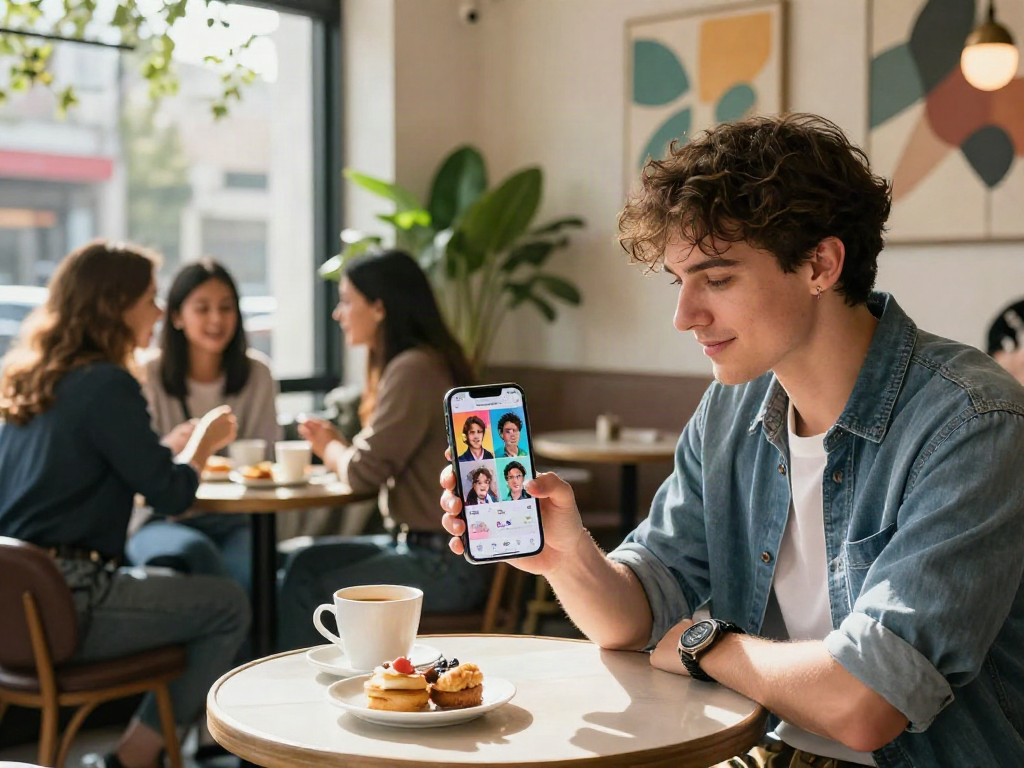
Several applications cater to the growing interest in celebrity look alikes. Notably, platforms like "Celebs Like Me" and "Face Shape Detector" have gained popularity, offering simple user interfaces that allow individuals to upload their photos and receive instant results. These applications are not just entertaining; they often provide a visual analysis that showcases appeal beyond mere resemblance, integrating fun filters and additional features that enable users to share their results on social media.
Comparison of Current Technologies and Future Innovations
As the technology underpinning these applications continues to evolve, we can expect enhancements in accuracy and user engagement. Current systems predominantly rely on database comparisons; however, future innovations may include 3D facial modeling and analysis that would consider depth and facial animation, leading to even more precise matches. Furthermore, the integration of augmented reality (AR) could enable users to see themselves alongside their celebrity counterparts in real time, creating a more immersive experience.
User Engagement and Community Building
Engaging users is critical for the success of any app or platform. The sense of community woven around the search for look alikes fosters sharing and connecting through shared experiences.
Sharing and Exploring Celebrity Look Alike Matches
Many applications allow users to share their results on social media platforms, leading to viral trends and challenges. This sharing not only promotes personal engagement but also cultivates a community where individuals can interact, compare results, and encourage one another in the quest for their look alike. For instance, platforms like TikTok and Instagram are rife with videos showcasing comparisons, often infused with humor, making the exploration of look alikes a social event.
The Role of Social Media in Popularity
Social media plays a pivotal role in the celebrity look alike phenomenon. Platforms such as Twitter, Facebook, and Instagram amplify the reach of these applications. For many, sharing their celebrity look alike is about connection and validation, with likes and comments serving as immediate feedback. Influencers often boost this engagement by participating in challenges or sharing their results, further enticing followers to engage with the idea.
User Challenges and Their Solutions
Despite the allure of celebrity look alike apps, users often face challenges, including privacy concerns about uploading personal images and the accuracy of results. To combat these issues, developers are increasingly focusing on enhancing data security protocols and transparent usage policies. Additionally, continuous feedback loops with users can help improve algorithms, leading to more accurate results and a better overall experience.
Future Trends and Predictions for 2026
As technology moves forward, the celebrity look alike phenomenon is poised for exciting transformations in the coming years.
Impacts of AI Advancements on Accuracy
The advancement of AI will likely yield even more precise facial recognition capabilities. By 2026, we may witness applications that can analyze not only physical traits but also a person’s style and personality traits, finding look alikes based on broader characteristics beyond mere facial resemblance. This could also extend to identifying look alikes among historical figures or fictional characters, further broadening the scope of the concept.
Expanding Beyond Celebrity Look Alike Apps
Future applications could extend the concept of look alikes into various domains, such as marketing, entertainment, and even personal branding. Imagine a world where your social media avatar could resemble a celebrity, enhancing your online presence. Moreover, businesses may leverage these technologies to personalize content marketing, suggesting products based on your look alike's fashion sense or style.
Potential Ethical Considerations and Privacy Issues
As the capabilities of these technologies expand, so too do the ethical considerations. Questions surrounding privacy, consent, and data security will become increasingly paramount. The collection of biometric data poses risks, and developers will need to navigate these issues carefully to maintain user trust. Striking a balance between innovation and ethical practices will be key to the future sustainability of look alike applications.
Creating a Celebrity Look Alike Culture
Establishing a vibrant culture around celebrity look alikes can enhance user experience and broaden community interaction.
How to Share Your Results and Gain Engagement
To effectively share results and gain engagement, users can employ creative storytelling around their look alike matches. Using humor, engaging visuals, or even creating relatable memes can amplify visibility on social media platforms, enhancing interactions and encouraging others to participate in the fun. Trendy hashtags can also be utilized to gain traction and connect with others searching for their celebrity doppelganger.
Influencer Collaborations and Content Creation
Collaborating with influencers can provide a huge boost to visibility and user engagement. Brands or applications can partner with popular figures to explore the concept of look alikes in engaging formats, such as challenges, giveaways, or campaigns. This strategy not only reaches wider audiences but also fosters a relatable connection as influencers share their experiences and comparisons.
Celebrating Diversity in Look Alikes
Highlighting the diversity of celebrity look alikes is crucial in promoting a more inclusive narrative. As different cultural backgrounds yield unique features, elevating lesser-known celebrities alongside mainstream figures can foster appreciation for beauty across various identities. Celebrating diversity not only enriches the conversation but also creates a community where everyone feels represented.
How Can I Find My Celebrity Look Alike?
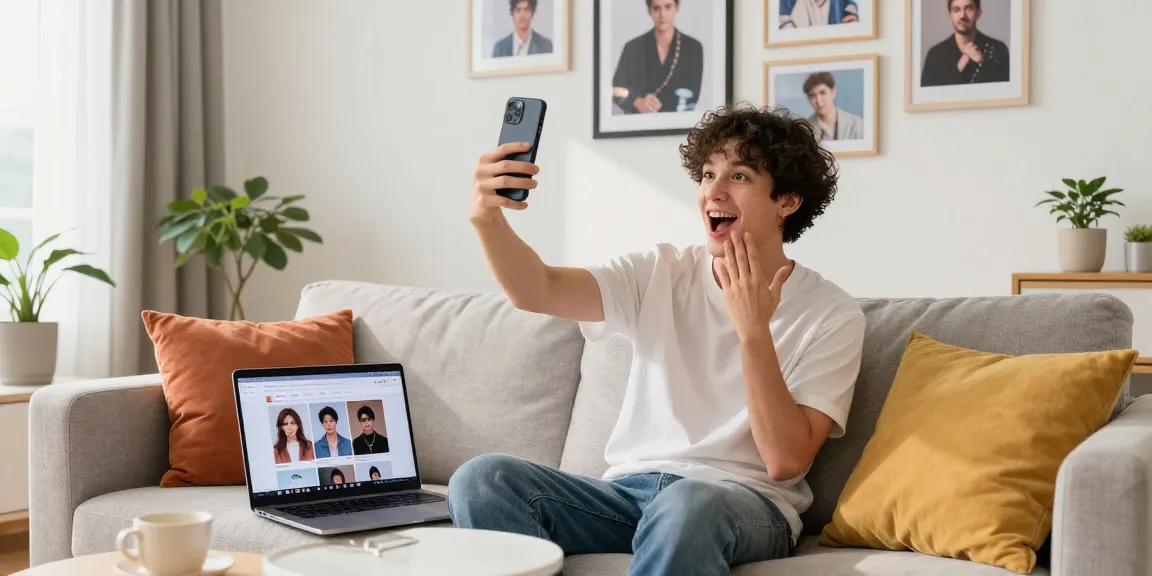
Finding your celebrity look alike is accessible and engaging. Utilize an application designed for this purpose, upload a clear photo, and follow the instructions provided within the app. Expect results that present your top matches and allow you to explore further.
Who are Some Celebrity Look Alikes?
Some intriguing celebrity look alikes have made headlines, including Zoe Saldaña and Thandiwe Newton, who have often been mistaken for each other. Similarly, fans have pointed out striking similarities between Victoria Justice and Nina Dobrev. These examples highlight how the phenomenon extends beyond simple resemblances to invoke discussions around identity and representation.
Can AI Accurately Identify My Celebrity Look Alike?
AI technologies are rapidly advancing, leading to increasing accuracy in identifying celebrity look alikes. However, it is essential to remember that while these technologies provide fascinating matches, results can still vary based on image quality and the algorithms’ training data.
What Factors Influence Celebrity Look Alike Matches?
Several factors influence look alike matches, including age, facial features, and even hairstyle. The algorithms behind these applications typically weigh these traits against extensive databases of celebrity faces, ensuring that results reflect physical similarities as accurately as possible.
Who is the Most Famous Doppelganger?
The title of “most famous doppelganger” can vary based on context, but notable pairs like Will Ferrell and Chad Smith have captured media attention due to their remarkable likeness. This public fascination often leads to further exploration of look alike dynamics and the broader implications it holds.