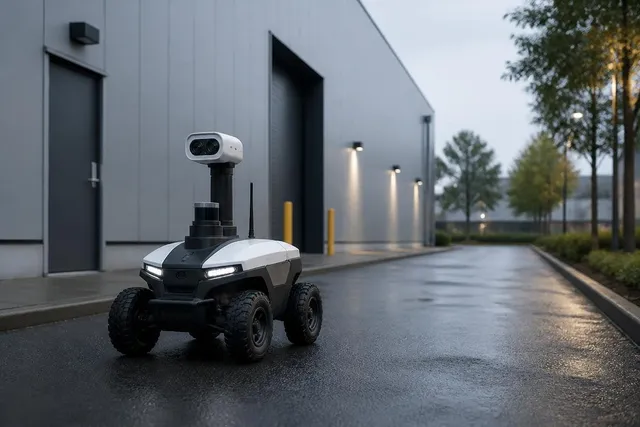
Understanding AI in Cybersecurity
The integration of Artificial Intelligence (AI) in cybersecurity is becoming increasingly critical as organizations face a growing number of cyber threats. With the rapid advancement of technology, understanding what is the role of AI in cybersecurity is essential for businesses aiming to protect sensitive information and maintain operational integrity. AI technologies provide capabilities that enhance threat detection, response times, and overall security posture, making them invaluable in today's digital landscape.
Defining Artificial Intelligence in Cybersecurity
Artificial Intelligence in cybersecurity refers to the use of AI technologies, such as machine learning, natural language processing, and behavior analytics, to enhance the ability to prevent, detect, and respond to cyber threats. These technologies analyze vast amounts of data to identify patterns and anomalies that may indicate a security breach. By supplementing traditional security measures, AI can help organizations proactively defend against attacks.
The Benefits of AI Integration in Cybersecurity
Integrating AI into cybersecurity strategies offers several significant benefits:
- Improved Threat Detection: AI algorithms can process and analyze data at an unprecedented scale, enabling quicker identification of potential threats.
- Enhanced Response Times: By automating routine security tasks, AI can minimize human intervention, allowing for faster incident response.
- Adaptive Security Measures: AI can learn from previous security incidents, continuously evolving to address new threats as they emerge.
Key Technologies Supporting AI in Cybersecurity
Several key technologies underpin the application of AI in cybersecurity:
- Machine Learning: Algorithms that enable systems to learn from data and improve their performance over time without explicit programming.
- Natural Language Processing (NLP): Techniques that allow machines to understand and interpret human language, aiding in threat intelligence and security analytics.
- Behavioral Analytics: Monitors user and entity behaviors to identify deviations that may indicate malicious activity.
Current Challenges in Cybersecurity
Despite its advantages, the application of AI in cybersecurity is not without challenges. Understanding these barriers is crucial for effective implementation and management.
Common Misconceptions About AI's Role
One of the most prevalent misconceptions is that AI can fully replace human cybersecurity professionals. While AI can enhance capabilities and automate processes, human expertise remains essential for strategy, oversight, and advanced threat analysis.
Challenges Facing AI Implementation in Cybersecurity
Several challenges complicate the integration of AI in cybersecurity:
- Data Quality: Poor quality or biased data can lead to inaccurate AI predictions and decisions.
- Complexity: The integration process can be complicated, requiring significant investment in both technology and personnel training.
- Ethical Concerns: The use of AI must be guided by ethical principles, especially concerning privacy and data protection.
Case Studies: Failures vs. Successes
Examining case studies can provide valuable insights into both the successes and failures of AI in cybersecurity:
- Success: A financial institution successfully implemented AI to improve fraud detection, reducing false positives by 30%.
- Failure: A major retailer faced a data breach due to over-reliance on AI without adequate human oversight, illustrating the need for a hybrid approach.
AI Techniques Used in Cybersecurity
Various AI techniques are prominent in the fight against cyber threats, each with unique capabilities.
Machine Learning Algorithms for Threat Detection
Machine learning algorithms play a crucial role in threat detection by analyzing historical data to identify patterns associated with cybercriminal activities. These algorithms can adapt to new threats, providing organizations with a dynamic defense mechanism.
Natural Language Processing in Security Analytics
Natural Language Processing (NLP) enhances security analytics by enabling systems to read and analyze unstructured data from sources such as emails and chat logs. This capability helps identify potential threats that may otherwise go unnoticed in traditional analytics.
Automation and Its Role in Incident Response
Automation powered by AI not only speeds up incident response but also allows security teams to focus on more strategic tasks. Automated responses to known threats can mitigate damage while analysts investigate more complex issues.
Future Trends in AI and Cybersecurity
The future of AI in cybersecurity is poised for rapid development, shaped by emerging trends and technologies.
Emerging Threats and AI's Response
As cyber threats evolve, so too will AI's capabilities to combat them. Emerging threats such as ransomware and advanced persistent threats are driving AI innovation, leading to more sophisticated detection and response methods.
Predictions for 2026: What to Expect
By 2026, we can expect AI to play an even more integral role in cybersecurity. Predictions include:
- Increased automation in security operations.
- More robust AI-driven threat intelligence platforms.
- Greater emphasis on AI ethics and governance in cybersecurity practices.
Preparing for AI-Driven Cybersecurity Solutions
Organizations must begin preparing for AI integration by investing in training for their teams, updating their technological infrastructure, and developing clear strategies that balance human expertise with AI capabilities. This preparation is essential for fully leveraging AI's potential in cybersecurity.
Implementing AI in Your Cybersecurity Strategy
Integrating AI into your cybersecurity strategy requires a thoughtful approach to ensure effectiveness and sustainability.
Best Practices for Integrating AI Technologies
To successfully integrate AI into cybersecurity, consider the following best practices:
- Start small with pilot projects to test AI applications before full-scale implementation.
- Involve cross-functional teams to gain diverse insights and support.
- Continuously evaluate AI tools to measure effectiveness and adapt strategies as needed.
Measuring AI Effectiveness in Cybersecurity
Measuring the effectiveness of AI solutions is vital for understanding their impact. Key performance indicators (KPIs) should include detection accuracy, response times, and the reduction of false positives.
Training and Development for Security Professionals
As AI becomes more prevalent, ongoing training and development for cybersecurity professionals are essential. Upskilling employees in AI technologies and data analysis will prepare them to work effectively alongside AI systems.
What Are the Long-term Implications for Businesses?
The long-term implications of AI in cybersecurity for businesses include enhanced security, reduced operational costs, and improved compliance with regulatory standards. Organizations that embrace AI will likely gain a competitive advantage over those that do not.
How Will AI Shape the Future of Cybersecurity?
AI will shape the future of cybersecurity by enabling organizations to respond to threats in real-time and adapt to an evolving threat landscape. As AI technology advances, it will become increasingly integrated into everyday cybersecurity practices.
What Ethical Considerations Arise with AI in Cybersecurity?
Ethical considerations surrounding AI in cybersecurity include data privacy, algorithmic bias, and accountability. Organizations must address these issues to build trust and ensure responsible use of AI technologies.